
Application Notes: Automotive Relays & Switches

Application Notes: Automotive
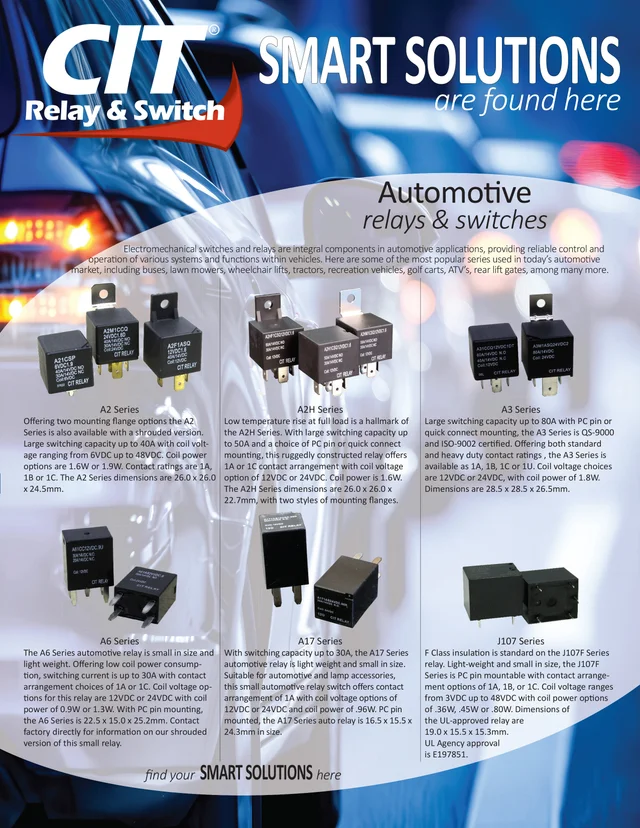
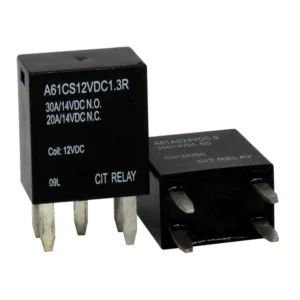
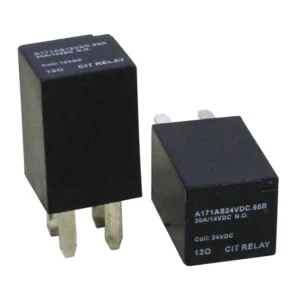
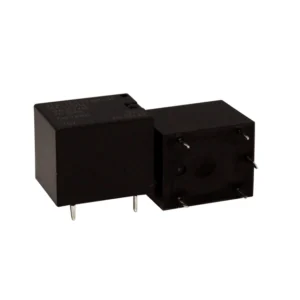
Automotive relays and switches are essential components for controlling electrical systems and functions throughout modern vehicles. CIT Relay & Switch provides reliable automotive relays and switches for applications including ignition systems, automotive lighting, accessory controls, starters, fuel pumps, blowers, power distribution, and other vehicle electrical systems. From high-current automotive relay applications to reliable switches for user controls and vehicle functions, CIT solutions help support dependable performance across a wide range of automotive applications.
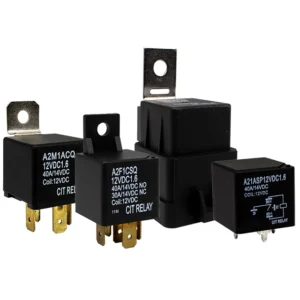
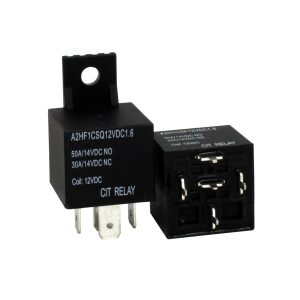
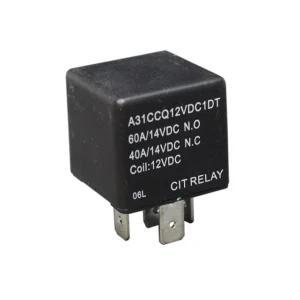
Relays for Automotive Applications
Switches for Automotive Applications
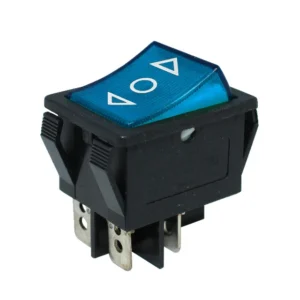


Common Automotive Relay & Switch Applications
- Automotive Lighting
Automotive relays and switches provide reliable control for vehicle lighting systems, including lamps and other lighting functions. - Ignition & Starter Systems
Automotive relays and switches support reliable control of ignition and starter circuits in vehicle electrical systems. - Fuel Pump Control
Automotive relays provide dependable switching for fuel pump circuits and other high-current vehicle loads. - Blower & HVAC Systems
Relays and switches help control blowers, HVAC functions, and other vehicle comfort systems. - Accessory Controls
Automotive switches and relays provide reliable control for vehicle accessories and auxiliary electrical systems. - Power Distribution
Automotive relays help manage and distribute electrical power to multiple vehicle systems and components.
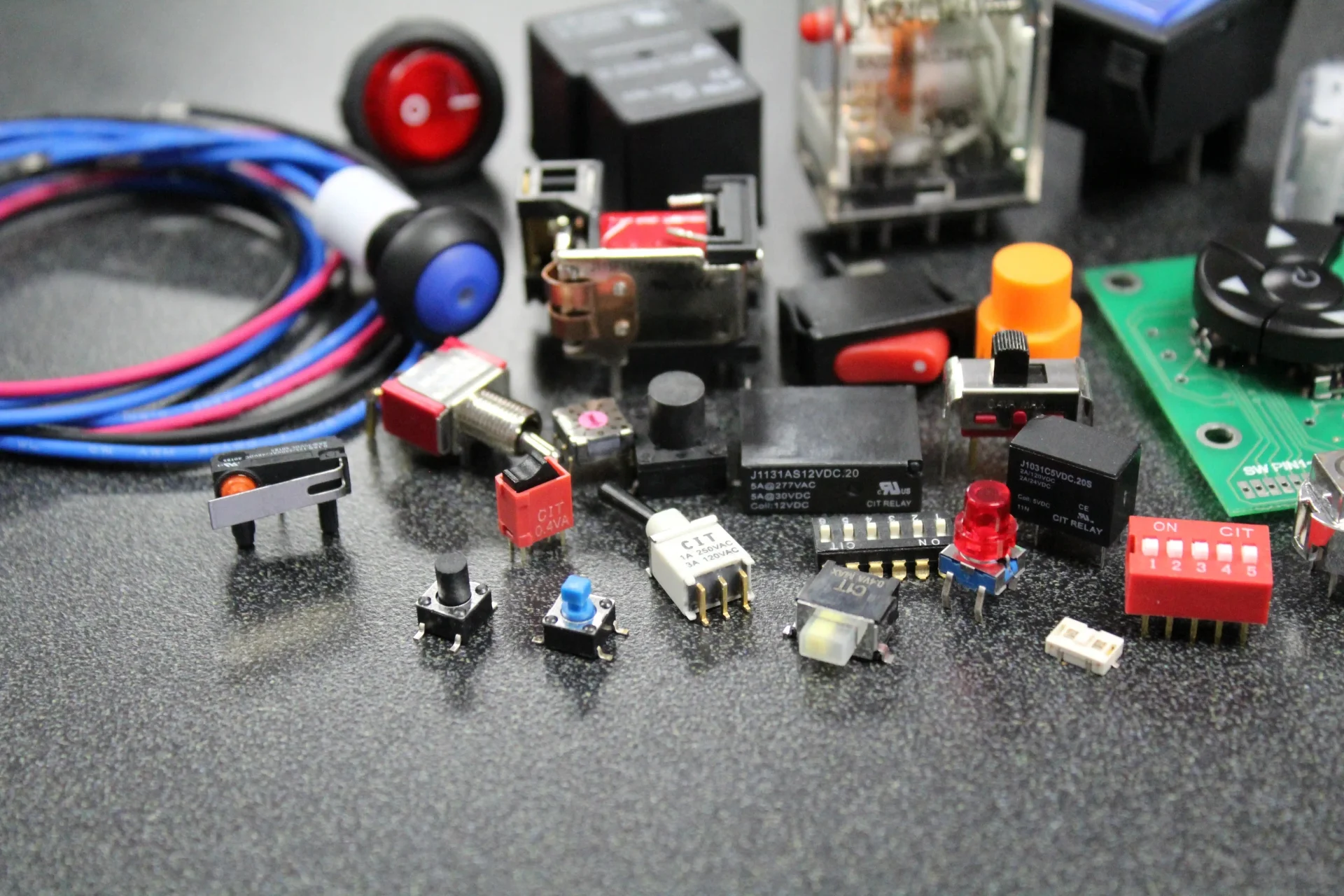
Relay & Switch Applications in Automotive Systems

High-Current Electrical Control
Automotive relays allow low-power control signals to operate higher-current vehicle electrical loads reliably.

Vehicle Lighting Control
Relays and switches provide dependable switching for automotive lamps and lighting systems.

Motor & Pump Control
Automotive relays are used to control electrical loads such as fuel pumps, blowers, and other vehicle motors.

Accessory & User Controls
Automotive switches provide convenient user control for accessories and vehicle functions.

Electrical Power Management
Relays help manage power distribution between vehicle electrical systems while supporting reliable operation.

Operator Controls
Provide dependable switching for dashboards, PTO controls, emergency stops, and user interfaces.

Automotive Relays for Demanding Environments
Automotive electrical components must operate reliably under vibration, temperature changes, electrical loads, and other demanding vehicle conditions. CIT offers automotive relays and switches designed for dependable performance across a range of vehicle applications, including options with rugged and water-resistant construction.
Need Help Selecting an Automotive Relay or Switch?
CIT Relay & Switch can help you select the right automotive relay or switch based on your electrical, mechanical, mounting, and application requirements.
Frequently Asked Questions
Where are automotive relays commonly used?
Automotive relays are commonly used in lighting, ignition, starter, fuel pump, blower, accessory, and power distribution applications.
How are relays used in automotive lighting systems?
Automotive relays provide reliable switching and control for vehicle lighting circuits and other higher-current electrical loads.
Can automotive relays be used for fuel pump control?
Yes. Automotive relays can provide reliable switching and control for fuel pump circuits and other vehicle electrical loads.
How are switches used in automotive applications?
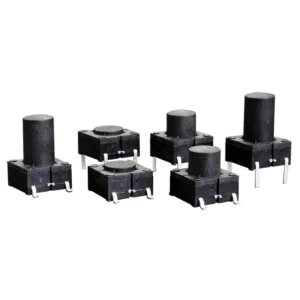
Automotive switches provide user and system controls for vehicle accessories, lighting, controls, and other electrical functions.
Are automotive relays suitable for demanding vehicle environments?
Yes. Automotive relays are designed for vehicle applications where components may experience vibration, temperature changes, and demanding electrical loads.