
Electromechanical Switches
CIT Relay & Switch’s electromechanical switch product offering includes a diverse range of high-quality switches such as Rocker, Toggle, Pushbutton, Rotary, Tactile, Slide, DIP, Sealed, Key, Snap Action, and Anti-Vandal Switches. Designed for durability and reliable performance, these switches serve various industries including automotive, industrial, consumer electronics, and HVAC. With options for multiple pole and throw configurations, momentary switches, customizable features, and robust construction, CIT’s electromechanical switches provide versatile solutions for controlling electrical circuits in a wide array of applications.
Types of Switches
-

Anti-Vandal Switches (14)
-
Capacitive Touch Switches (2)
-
Circuit Breaker Switches (1)
-
DIP Switches (9)
-
Key Switches (3)
-
Key Tactile Switches (2)
-
Pushbutton Switches (27)
-
Rocker Switches (13)
-
Sealed Indexing Switches (1)
-
Slide Switches (20)
-
Snap-Action Switches (4)
-
Tactile Switches (41)
-
Toggle Switches (6)
Showing 1–12 of 138 results
-
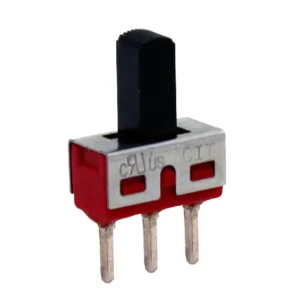
1000 Series Miniature Slide Switch
-
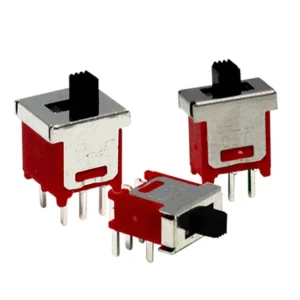
1000A Series Sub Miniature Slide Switch
-
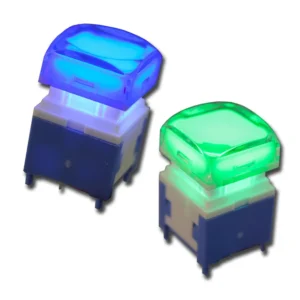
AD Series Miniature Illuminated Push Button Switch
-
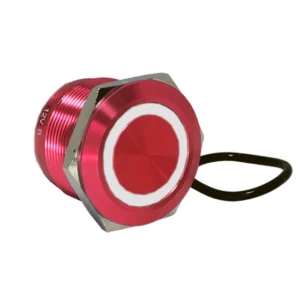
AH Series Illuminated Anti-Vandal Push Button Switch
-
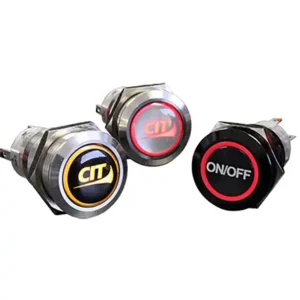
AHB Series Illuminated Anti-Vandal Push Button Switch
-
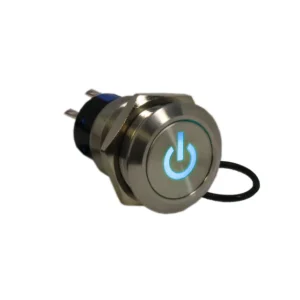
AHU Series Illuminated Anti-Vandal Push Button 19mm Switch
-
ANP Series Miniature Push Button Switch
-
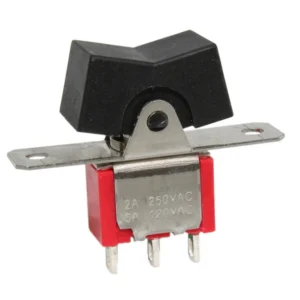
ANR Series Miniature Rocker Switch
-
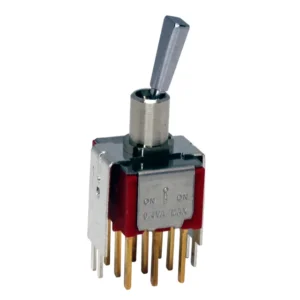
ANT Series Miniature Toggle Switch
-
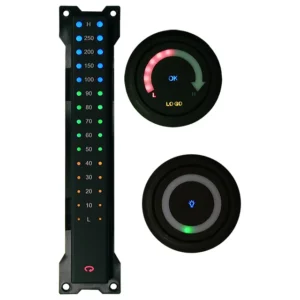
ARL Series Capacitive Touch Switch
-
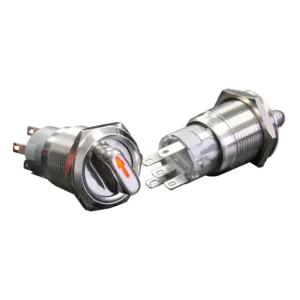
AS Series Illuminated Indexing Switch
-
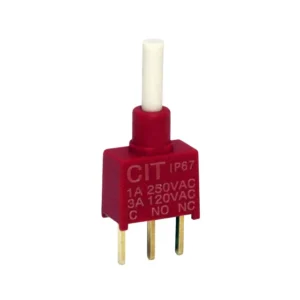
ASP Series Sealed Miniature Push Button Switch
FAQs for Switches
What are electromechanical switches?
Electromechanical switches are devices used to control electrical circuits by manually or mechanically opening and closing connections.
What types of electromechanical switches does CIT Relay offer?
CIT Relay offers a wide range of electromechanical switches including rocker, toggle, pushbutton, tactile, slide, DIP, and anti-vandal switches.
Where are CIT electromechanical switches commonly used?
These switches are widely used in automotive, industrial, HVAC, and consumer electronics applications.
How do I choose the right electrical switch?
Choosing the right switch depends on application, voltage rating, current capacity, size, and operating environment.
Are switches available in different sizes and configurations?
Yes, switches come in various sizes, actuator styles, and pole/throw configurations to suit different applications.
Why are high-quality switches important in electronics?
High-quality switches ensure reliable performance, safety, and long operational life in electrical systems.