
Application Notes: Industrial Automation Relays & Switches


Application Notes: Industrial Automation
Industrial automation systems depend on reliable electrical control components to manage machinery, production processes, and equipment operations. Relays and switches play an important role in controlling electrical loads, processing control signals, and providing operator interfaces across automated manufacturing and industrial environments.
CIT Relay & Switch offers electromechanical relays and switches for a variety of industrial automation applications, including manufacturing equipment, processing systems, robotics, material handling, and industrial control panels. With different contact configurations, switching capacities, mounting options, and actuator styles available, CIT components support a range of electrical control and interface requirements. From motor control and process automation to machine monitoring and operator input, relays and switches help engineers develop effective control systems for industrial equipment.
|| Products for Industrial automation Applications ||
Recommended Relays for Industrial automation Applications


Recommended Switches for Industrial automation Applications
-

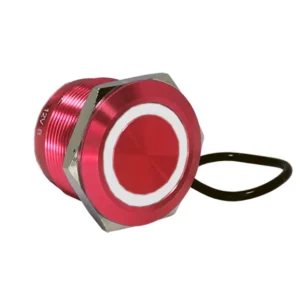
AH Series Illuminated Anti-Vandal Push Button Switch
-
CS1104 Series Surface Mount Tactile Switch
-
CS1109 Series Surface Mount Tactile Switch
-
CS1110 Series Surface Mount Tactile Switch
-
CS1204 Series Surface Mount Tactile Switch
-
CS1205 Series Surface Mount Tactile Switch
-
CS1206 Series Surface Mount Tactile Switch
-
CS1207 Series Right Angle Surface Mount Tactile Switch
-
CS1209 Series Ultra Thin Surface Mount Tactile Switch
-

CS1210 Series Surface Mount Tactile Switch
-
CL1200 Series Illuminated Tactile Switch
-
CR1102H Series Ammo Pack Through-Hole Tactile Switch
-
CR1104S Series Ammo Pack Process Sealed Radial Tactile Switch
-
CS1101 Series Surface Mount Tactile
-
CS1102 Series Surface Mount Tactile Switch
-
CS1102V Series Right Angle Surface Mount Tactile Switch
-
CS1103 Series Surface Mount Tactile Switch
-
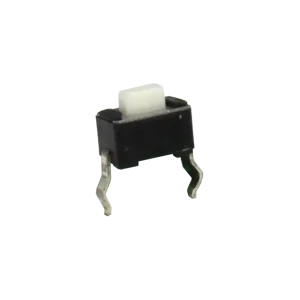
CT1101 Series Through-Hole Tactile Switch
-
DH22U Series Illuminated Anti-Vandal Push Button 22mm Switch
-
CT1102 Series Through-Hole Tactile Switch
-
DH Series Illuminated Anti-Vandal Push Button Switch
-
CT1102V Series Right Angle Through-Hole Tactile Switch
-
CT1103 Series Through-Hole Tactile Switch
-
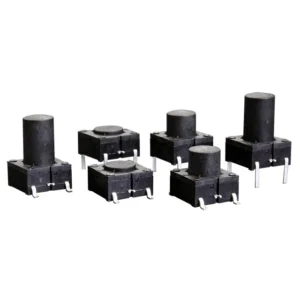
CT1104 Series Through-Hole Tactile Switch
-
CW Series Illuminated Through-Hole Tactile Switch
-
CS1211 Series Surface Mount Tactile Switch
-
CS1213 Series Sub-Miniature Surface Mount Tactile Switch
-
CS1214 Series Surface Mount Tactile Switch
-
CS1215 Series Surface Mount Tactile Switch
-
CS1218 Series Sub-Miniature Surface Mount Tactile Switch
-
CS1219 Series Sub-Miniature Surface Mount Tactile Switch
-
CS3304 Series Surface Mount Tactile Switch
-
DHU Series Illuminated Anti-Vandal Push Button 25mm and 30mm Switch
-
ES Series Illuminated Push Button Switch
-
JS Series Illuminated Tactile Switch
-
ME Series Process Sealed Tactile Switch
-
NL Series SMT Illuminated Tactile Switch
-
NC Series Miniature Push Button Switch
-
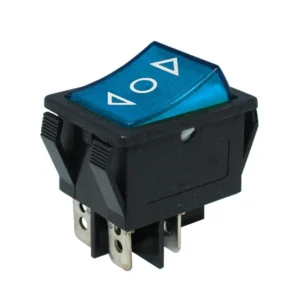
RW Series SPDT Illuminated Switch
-
VM3 Series Miniature Snap Action Switch
-
VM3S Series Sealed Miniature Snap Action Switch
-
SM3 Series Sub Miniature Snap Action Switch
-
ST Series Dust Proof Tactile Switch
-
STK Series Sealed Radial Tactile Switch
-
STR Series Surface Mount Sealed Tactile Switch
-
STS Series Surface Mount Sealed Tactile Switch
-
STV Series Right Angle Dust Proof Tactile Switch
-
TJ Series Sealed Illuminated Tactile Switch








Common Applications for Industrial Automation Relays & Switches
Relays and switches are used throughout automated industrial systems to control electrical circuits, manage equipment functions, and provide operator input.
Common applications include:
- Manufacturing Equipment: Control motors, production machinery, conveyor systems, automated assembly equipment, and electrical control circuits.
- Robotics and Automated Systems: Support power distribution, actuator control, machine sequencing, and operator interfaces.
- Material Handling Systems: Control conveyor belts, sorting equipment, automated storage systems, and other material movement machinery.
- Process Control Equipment: Support the operation of pumps, valves, heaters, and other equipment used in industrial processes.
- Industrial Control Panels: Provide electrical switching, circuit control, and manual operator interfaces.
- Packaging and Processing Machinery: Manage machine functions, production sequences, and auxiliary electrical systems.
- Instrumentation and Monitoring Equipment: Support signal switching, status indication, and control interfaces.
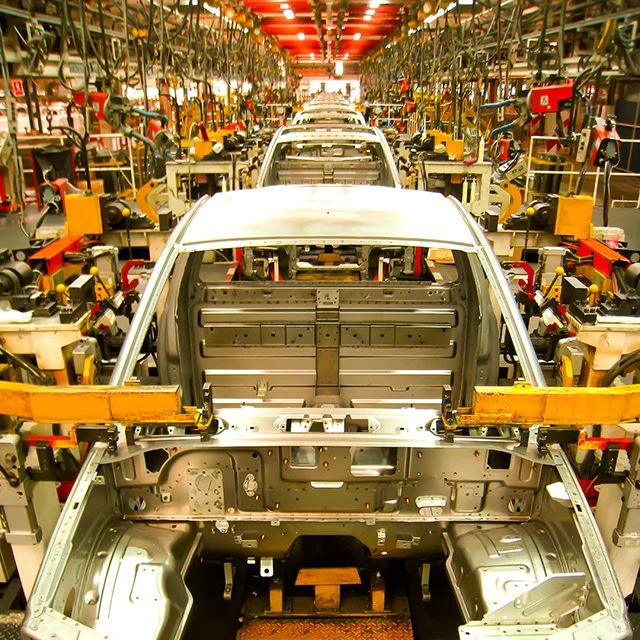
Selecting the Right Relays and Switches for Industrial Automation
Choosing the right electrical components requires understanding the machine’s operating requirements, electrical specifications, and installation environment.
Important considerations include:

Electrical Ratings
Match contact voltage and current ratings to the intended electrical load.

Contact Configuration
Select the appropriate normally open, normally closed, or changeover arrangement based on circuit requirements.

Coil Specifications
For relays, verify the required AC or DC coil voltage and coil power.

Switching Frequency
Consider how often the component will operate and its expected electrical and mechanical life.

Mounting Requirements
Evaluate PCB mounting, panel mounting, terminals, and available installation space.

Environmental Conditions
Consider temperature, dust, moisture, vibration, and other environmental factors.

Operator Interface Requirements
Select suitable actuator styles, illumination options, and tactile characteristics for the control panel.

System Compatibility
Confirm that the selected component is compatible with the control architecture and connected equipment.
For applications involving personnel protection or machine safety functions, use appropriately certified safety components and control architectures. General-purpose relays and switches should not be assumed to be safety-rated.
Need Help Selecting the Right Relays and Switches for Industrial Automation?
Industrial automation systems require components that meet specific electrical, mechanical, and operational requirements. CIT Relay & Switch offers a wide range of relay and switch options for manufacturing equipment, automated machinery, and industrial control systems.
Frequently Asked Questions
What are relays used for in industrial automation?
Relays are used to switch electrical circuits and control compatible loads in industrial automation systems. Common applications include motor control, process automation, pump and valve control, machine sequencing, and signal isolation.
What types of switches are used in industrial automation?
Common switch types include tactile switches, illuminated push button switches, rocker switches, and snap-action switches. The appropriate type depends on the equipment interface, operating requirements, and installation environment.
How do relays support automated manufacturing equipment?
Relays help control electrical circuits associated with motors, pumps, valves, heaters, and other machinery. They can also work alongside PLCs and other controllers to support equipment sequencing and process operations.
What is the difference between a relay and a switch?
A relay is an electrically operated switching device that uses a control signal to open or close electrical contacts. A switch typically provides manual or mechanical input to control a circuit. Both are used in industrial automation for different control functions.
What should I consider when selecting a relay for industrial automation?
Consider the operating voltage, current rating, coil specifications, contact configuration, switching frequency, mounting requirements, and environmental conditions. The selected relay must also be compatible with the connected load and control system.
Why are illuminated push button switches used in industrial control panels?
Illuminated push button switches combine operator input with visual indication. They help operators interact with equipment and identify selected functions or operating states, depending on the control circuit and illumination configuration.
Can tactile switches be used in industrial equipment?
Yes. Tactile switches are used in industrial control panels, electronic interfaces, keypads, and instrumentation. The appropriate switch should be selected based on its electrical ratings, mechanical requirements, and environmental specifications.
Can relays and switches be customized for industrial automation applications?
Component requirements vary across industrial equipment designs. Contact CIT Relay & Switch to discuss available product configurations and application-specific requirements.